"Discover how strength training fires up your metabolism, helps you burn fat even at rest, and transforms your fitness journey. Learn the real benefits of lifting weights."
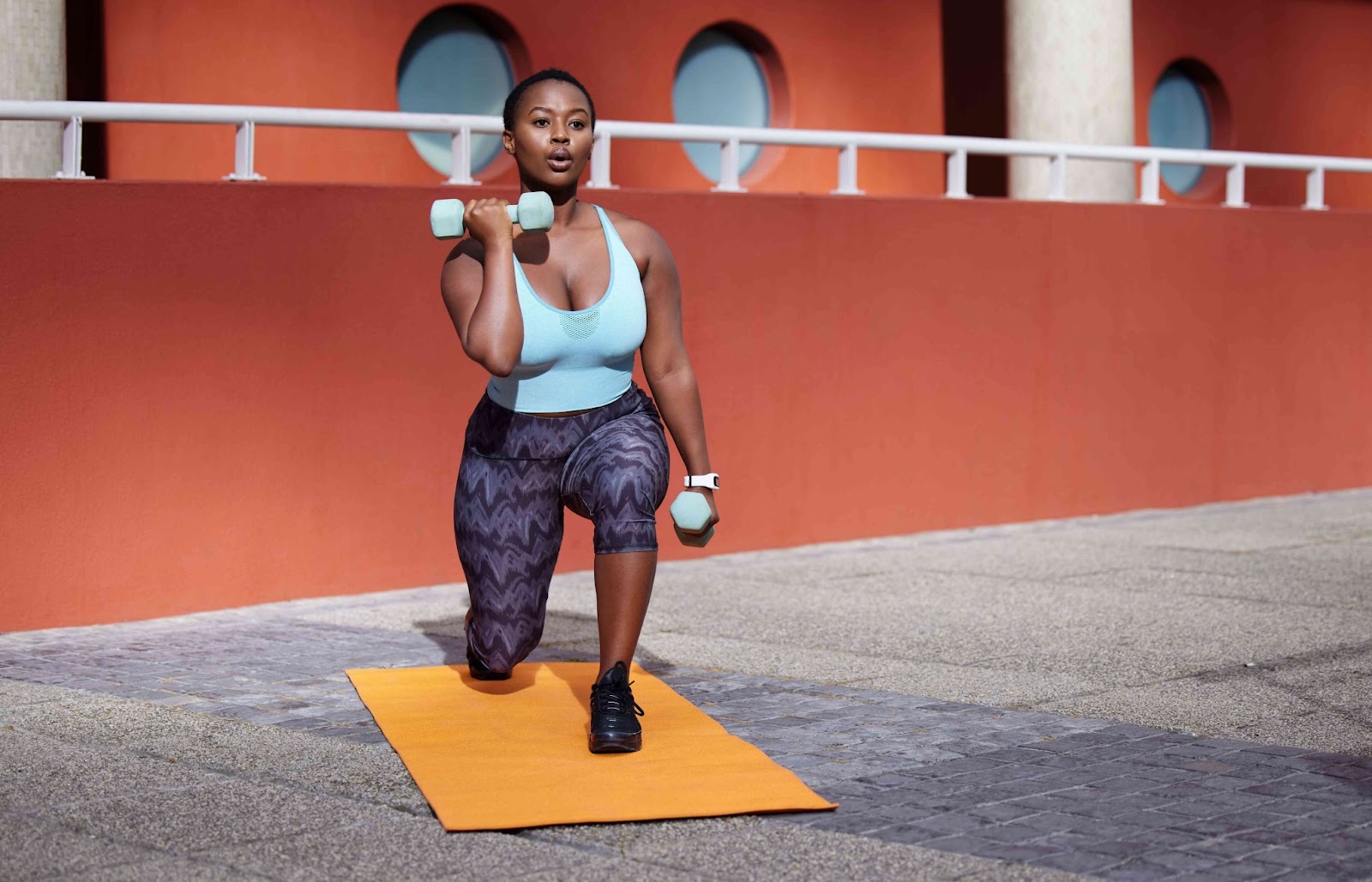
When it comes to fat loss, many people think endless cardio is the answer. But there’s a faster, smarter strategy: strength training.
Building muscle doesn’t just make you stronger — it actually boosts your metabolism and helps you burn more calories all day long.
In this post, we’ll dive into how strength training supercharges fat loss and why it’s a must for anyone serious about lasting fitness results.
What Is Metabolism and Why Does It Matter?
Metabolism is the process by which your body converts what you eat and drink into energy. Even when you're resting, your body needs energy for basic functions like breathing and repairing cells — this is called your basal metabolic rate (BMR).
The faster your metabolism, the more calories you burn — even while sitting still.
How Strength Training Boosts Your Metabolism
1. Muscle Burns More Calories Than Fat
-
Muscle tissue is more "metabolically active" than fat.
-
1 pound of muscle burns about 6–7 calories per day, compared to fat, which burns about 2 calories.
-
The more muscle you have, the higher your resting calorie burn.
2. The Afterburn Effect (EPOC)
-
After a tough strength training session, your body needs extra oxygen to repair muscles.
-
This process is called Excess Post-Exercise Oxygen Consumption (EPOC).
-
You burn more calories for up to 48 hours after lifting weights!
3. Hormonal Boosts
-
Strength training improves levels of fat-burning hormones like growth hormone and testosterone (yes, even in women!).
-
These hormones speed up metabolism and help preserve muscle during fat loss.
Why Strength Training is Better Than Just Cardio for Fat Loss
Cardio burns calories during exercise, but strength training burns calories during and after — plus builds muscle to keep your metabolism high.
Benefits of combining strength training with fat loss goals:
-
Preserves lean muscle while dieting
-
Prevents metabolic slowdown
-
Shapes your body (you won’t just be “smaller” — you’ll be more toned)
-
Improves overall strength and posture
Tip:
You can still do cardio, but make strength training your main focus if fat loss and metabolism boost are your goals.
Simple Strength Training Plan for Beginners
If you're new to lifting, don’t worry — you don't need a fancy gym.
Start with basic moves like:
-
Squats
-
Lunges
-
Push-ups
-
Dumbbell presses
-
Planks
-
Deadlifts
Train 2–3 times a week, and focus on progressive overload (gradually lifting heavier weights or doing more reps).
FAQs About Strength Training and Metabolism
Q: Can strength training help me lose belly fat?
A: Yes! While you can’t spot-reduce fat, strength training burns overall fat, including around the belly over time.
Q: How quickly will I see results?
A: With consistent training and proper nutrition, many people notice improvements in strength and body shape within 4–6 weeks.
Q: Will lifting weights make me bulky?
A: No! Building large muscles takes years of intense training. Strength training tones and tightens your body — not bulk it up — especially for women.
Final Thoughts: Build Strength, Burn Fat, Boost Your Life
Strength training is more than just lifting heavy things.
It’s a metabolism booster, a fat-loss accelerator, and a life-changer for anyone ready to take their fitness to the next level.
Want better sleep, faster recovery, and even more motivation for your workouts?
Check out our guide on: The Role of Sleep In Fitness : Fat and Fit: How to Stay Healthy, Happy, and Confident at Any Size
Comments